
All plants
Bare-root trees and hedging
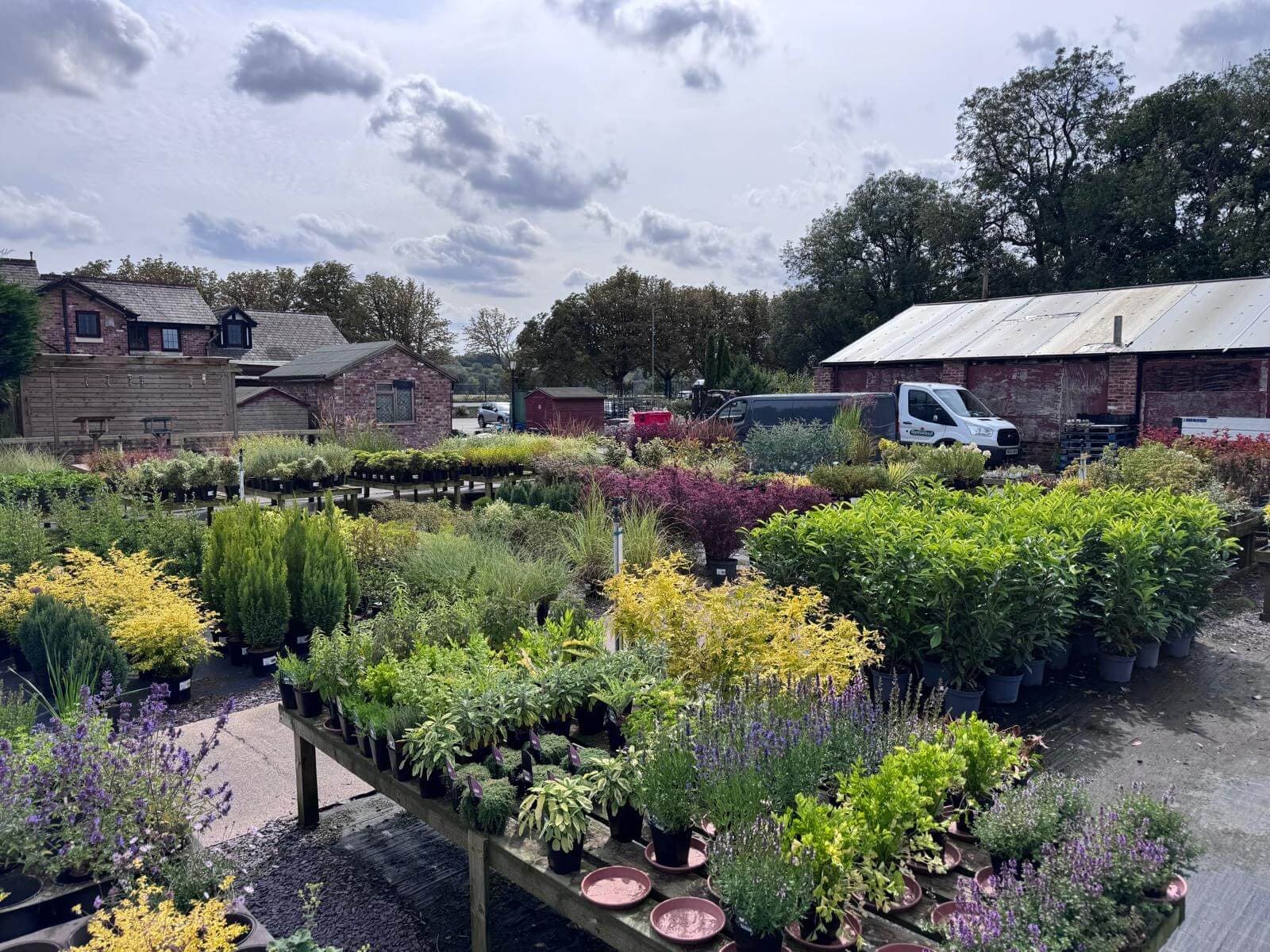
Bare-root trees and hedging from November to March, lifted straight from the ground while they are dormant.
Want a potted tree or shrub instead? See trees and shrubs.
Choosing bare-root hedging and trees
What to look for
- Roots should spread evenly in all directions, not all bunched to one side like a hockey stick.
- Avoid plants whose main roots are torn, split or stripped of their fine, fibrous roots.
- The roots must never dry out, so they should stay covered or wrapped from lifting to planting.
- Hedging whips are often 20 to 90cm tall and look like bare twigs in winter; that is normal.
- Plant while they are dormant, roughly November to March, and wait if the ground is frozen or waterlogged.
What to ask us
- Which hedging will give me privacy all year round?
- Which hedge plants cope with a windy, exposed boundary?
- Which native hedging is best for birds and other wildlife?
- How far apart should I plant, and in one row or two?
- If I cannot plant straight away, how do I keep the roots safe?
Buying in volume?
For a development, a business or a landscaping job, tell us what you need and we'll come back with a quote.
Come and see what we have
196 Manchester Road, Rixton. Timing matters with this one, so give us a call before you set off to check what's ready.
Winter hours, until April · Mon to Sat, 9:00am – 4:30pmSundays closed